How to keep track of borrowed household items
· Editorial team dallasnewskaty.com
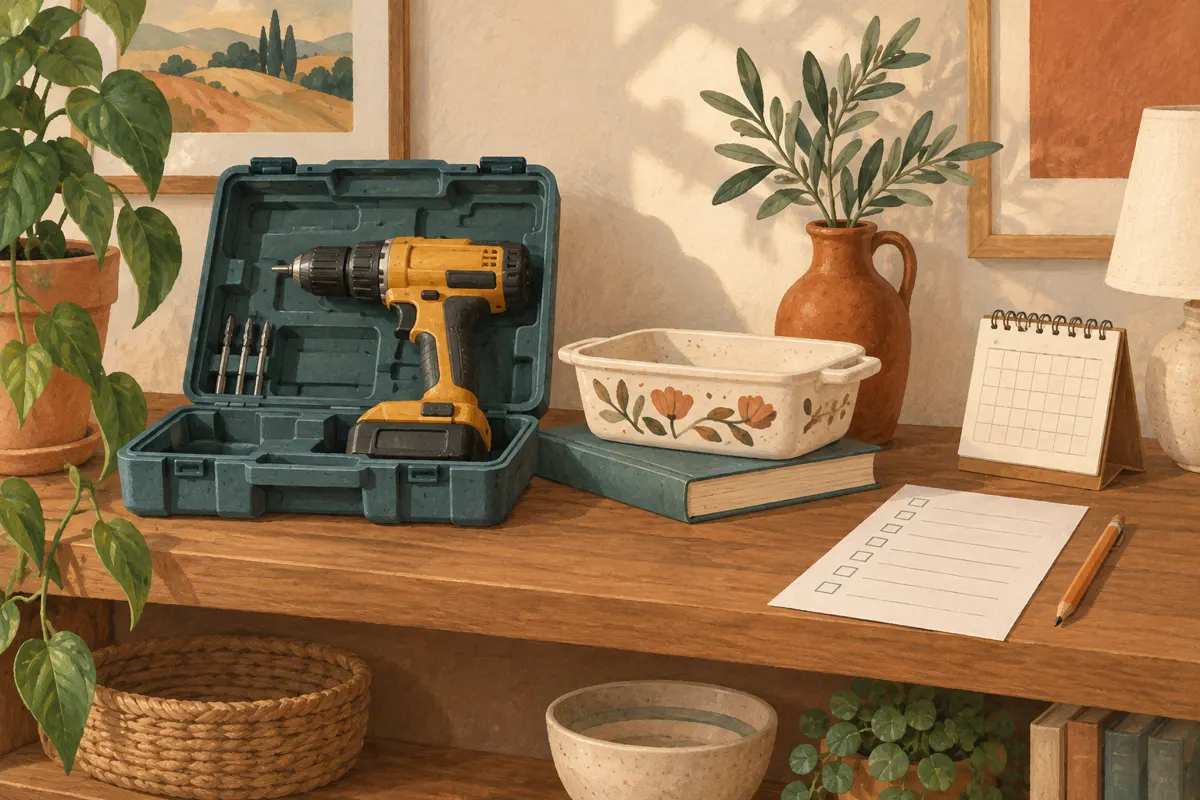
Keep one shared list of borrowed and lent household items, recording the item, its owner, who has it, where it is stored, and the agreed return date. Update the entry when something changes, then mark it returned after the handoff. The proposed household routine below combines that list with a designated storage spot and a regular reminder.
Create one list everyone can find
Choose a place you already use: a shared phone note, a spreadsheet, or a notebook kept in a familiar drawer. If several household members borrow things, give them access to the same record. A paper list works too, provided everyone knows where it lives and updates it.
Include both directions: things your household has borrowed and things you have lent out. Add each item at the handoff, while the details are fresh. Use a specific description such as “blue cordless drill in black case” instead of “tools,” especially when you have similar belongings.
- Item and any accessories included.
- Owner and person currently borrowing it.
- Date borrowed or lent.
- Current storage location.
- Agreed return date and handoff location.
- Condition notes and status: borrowed, lent, ready to return, or returned.
Agree on the return before taking the item
Ask when the owner needs the item back and agree on a date you can meet. “After the project” leaves room for different expectations. A specific day gives both people something clear to plan around. Also decide whether you will drop it off or the owner will collect it.
Check what should come back with it and in what condition. A carpet cleaner might include attachments; a drill might come with a charger and spare battery. Note existing scratches or missing parts, using a photo when useful. Ask about cleaning, charging, or any limits on use before you leave.
If there is no firm deadline, propose a check-in date. You can then confirm whether the owner needs it or whether the loan can continue. Record an extension only after the owner agrees, and update the reminder at the same time.
Give borrowed items a clear storage spot
Our proposed approach is to choose one shelf, basket, or cupboard area for borrowed belongings when practical. Keep it separate from items your household owns. For something too large to fit there, write its exact location in the list, such as “garage shelf beside the door.”
Keep accessories together in the original case or a suitable bag. If parts must be stored separately, note both locations. Use a removable tag on the container to identify the owner without putting adhesive on the borrowed item itself.
Update the location whenever you move something. If another household member uses it, keep the original borrower responsible for its return. Ask the owner before passing it to someone outside your household.
Build a short return routine
Set a calendar reminder early enough to arrange the handoff. As a suggested routine, review the list once a week and before visiting anyone whose belongings you have. When you finish using something, move it to a ready-to-return spot rather than putting it into long-term storage.
- Check the entry and gather every listed accessory.
- Inspect the item and complete any agreed cleaning or charging.
- Confirm a convenient handoff time with the owner.
- Return it, then record the actual return date.
Packing an item or leaving it by the door does not complete the return. Keep it marked ready to return until the owner receives it through the agreed arrangement.
Handle delays and close the record
If you need more time, contact the owner before the agreed date and propose a new one. If you notice damage or cannot find a part, explain what happened promptly and discuss the next step. Record the issue so it does not disappear from view.
For something you lent out, send a straightforward reminder naming the item and asking about a return time. Keep completed entries in a separate section if you want a history, leaving the active list easy to scan. Your routine is working when you can quickly answer who has an item, where it is, and when it should come back.